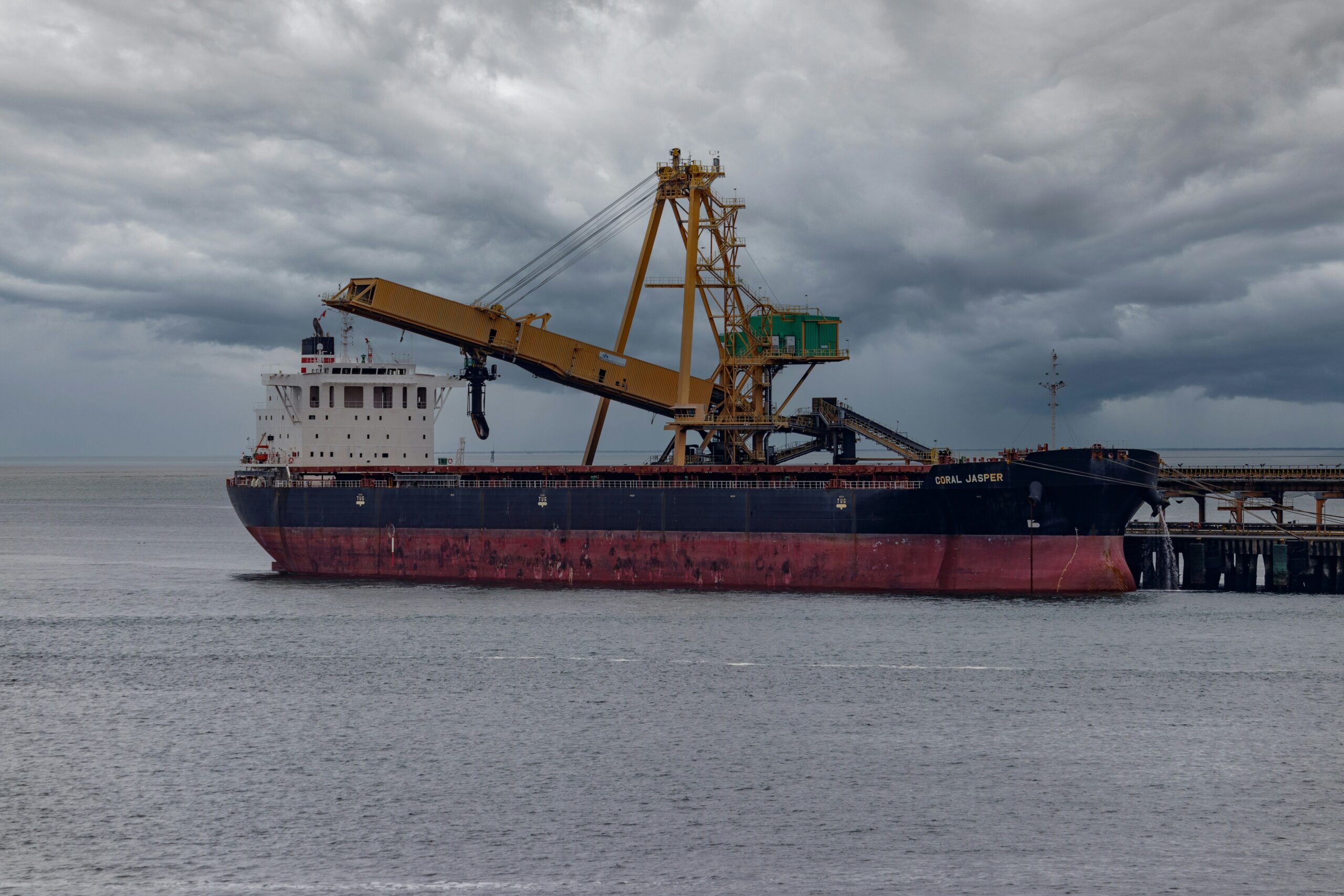
Jin Hui Shipping’s ultramax bulker sale isn’t just asset disposal—it’s a case study in how shipping companies reallocate capital and fleet composition when secondhand vessel prices collide with environmental regulation pressure.
Selling Ships as Selling Time: What Jin Hui’s Fleet Restructuring Reveals
Oslo-listed dry bulk operator Jin Hui Shipping agreed to sell its 2014-built ultramax bulker ‘Jin Ping’ for $23.46 million, booking an expected accounting gain of approximately $3.2 million above its carrying value. On the surface, this looks like routine asset trading. But in shipping, selling a vessel rarely means trading scrap metal and cargo capacity—it means trading regulatory costs, capital efficiency, and market timing judgments packaged together.
Behind the Decision to Sell Aging Tonnage: Industry Obsolescence Pressure
This sale wasn’t a one-off transaction. Jin Hui has been systematically offloading supramax tonnage over the past year while simultaneously running an ultramax newbuild program centered on Chinese yards. This is fleet age reduction through strategic capital rotation—passing future regulatory costs to the market while secondhand asset prices remain elevated.
The reasoning is clear. UNCTAD’s Review of Maritime Transport 2023 reports the global merchant fleet’s average age has climbed to 12.2 years. Aging vessels don’t just suffer mechanical wear—they experience declining fuel efficiency, rising maintenance costs, and mounting difficulty meeting IMO greenhouse gas regulations like CII and EEXI thresholds. Shipowners face a binary choice: drag inefficient tonnage forward while absorbing regulatory penalties and operational constraints, or sell while the market still assigns value and swap into more efficient vessels.
Shipping is commonly labeled a cyclical industry. True enough. But focusing solely on cycles misses what matters now: environmental regulation is redefining asset lifespan. Legal vessel life and economic vessel life no longer align. A ship might still float, but through the lens of regulation, fuel costs, and charter competitiveness, it’s already become an ‘obsolete asset.’
Strong Secondhand Prices Signal Weak Supply Elasticity
Jin Hui’s ability to sell above book value wasn’t purely negotiation skill—the market structure enabled it. Allied Shipbroking’s Weekly Shipping Market Report attributes firm ultramax and supramax secondhand prices to historically low orderbooks and yard slot scarcity. When new tonnage isn’t readily available, even 10-15 year old vessels command elevated valuations.
This matters. High secondhand asset prices in shipping don’t just signal market exuberance—they reveal supply rigidity beneath the surface. Shipyards must divide berth slots among container vessels, LNG carriers, tankers, and other vessel types. Shipowners hesitate to order newbuilds amid fuel technology uncertainty—whether methanol is the answer, LNG is transitional, or ammonia will materialize remains unresolved. In this environment, everyone wants ‘brand new tonnage’ while simultaneously hunting for ‘slightly less aged secondhand vessels.’ The result: scarce inventory, firm pricing, and nimble owners securing both accounting gains and strategic flexibility.
BIMCO’s Dry Bulk market analysis similarly projects constrained dry bulk supply growth through 2024-2025. If supply expands slowly and raw material demand doesn’t collapse sharply, S&P market liquidity should persist. Translation: shipowners maintain incentive to shed aging tonnage and rotate portfolios toward relatively competitive vessel profiles. Jin Hui’s sale sits squarely within this flow.
Beyond $3.2 Million in Accounting Gains: The Grammar of Capital Allocation
Jin Hui acquired this vessel in 2022, carried it at approximately $19.9 million net book value at year-end 2023, and expects roughly $3.2 million in gains from this transaction. The numbers look decent. But what truly matters isn’t gain magnitude—it’s the grammar of capital allocation: which assets to reduce when, and which assets to replace them with.
Shipping company management appears freight-index-driven, but long-term competitive edge actually hinges on vessel acquisition and disposal timing. Freight rates are market-determined, but fleet quality, average age, fuel efficiency, and residual value structure are management-determined. Jin Hui’s past cancellation of certain sale transactions due to unmet delivery conditions demonstrates this market’s complexity. Ship sales aren’t single-document financial trades—they’re compound transactions entangling delivery timing, charter status, mortgage liens, and maritime lien clearance. The emphasis on delivering this vessel free of charter, mortgage, and maritime liens reflects exactly that.
Ultimately, shipowners don’t predict markets—they adjust positions by pricing uncertainty. Jin Hui’s choice answers both “Is now the time to sell?” and preemptively responds to “Which vessels will survive going forward?” This transaction doesn’t end with one ship’s sale. It illustrates how shipping companies redesign their fleets amid regulatory pressure, vessel pricing, yard bottlenecks, and technology transition chaos.
💡 Mariecon Insight
Going forward, maritime competitiveness will no longer be explained by tonnage volume alone. Young, efficient fleets combined with timely asset rotation capacity will determine enterprise value. Korea’s shipbuilding, marine equipment, and shipping B2B markets must read this shift as opportunity. Companies that calculate future regulatory costs ahead of time will ultimately sell higher and survive cheaper than those clinging to aging tonnage.