Strait of Hormuz Shipping Crisis: Carrier Responses, Surcharges, and Global Logistics Impact (2026)

Map showing the Strait of Hormuz and Bab al-Mandab chokepoints with major global shipping routes across the Middle East and Red Sea affecting container shipping and oil transportation.

Quick Summary Rising geopolitical tensions in the Middle East have triggered a new Strait of Hormuz shipping crisis, forcing major container carriers to suspend bookings, reroute vessels, and introduce emergency surcharges. Key developments include: This article summarizes carrier-by-carrier responses to the Strait of Hormuz disruption and explains what it means for global logistics. Why the … Read more
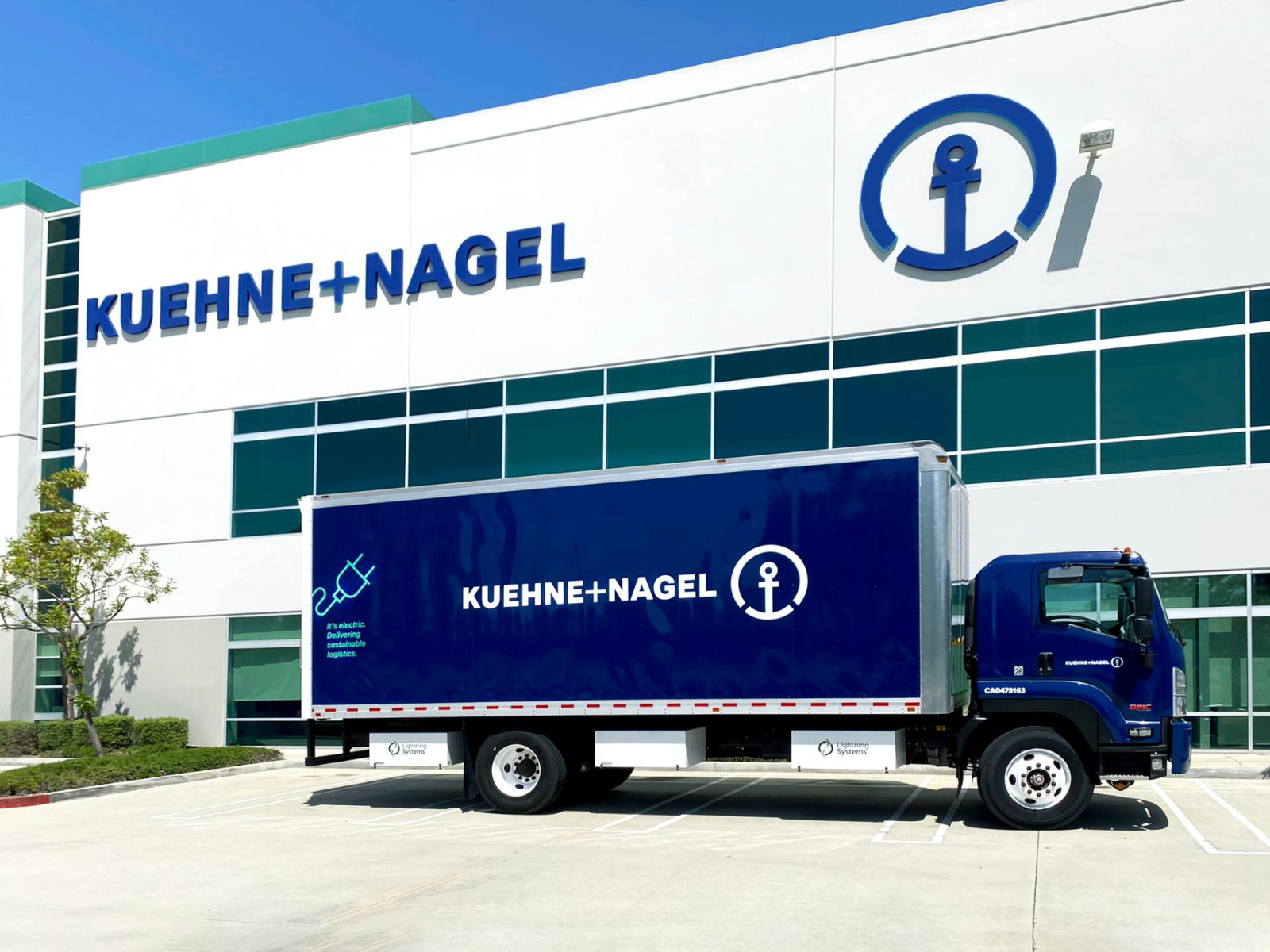
More Than 2,000 Job Cuts: Three Structural Shifts Revealed by Kuehne+Nagel

퀴네엔드나갤

The logistics industry is no longer just a lagging indicator of the business cycle. It has become a battleground where geopolitics, technology, and pricing power collide at the same time. At first glance, Kuehne+Nagel’s plan to cut 2,000 jobs looks like another cost-cutting headline. But when you follow the data more closely, the decision appears … Read more

Maritime Decarbonization and the IMO Delay — Who Gets to Write the Rules?

maritime decarbonization

The core issue in maritime decarbonization is not environmental rhetoric but control over the rules. The longer consensus at the International Maritime Organization (IMO) takes, the more likely it is that regional regulations such as the EU Emissions Trading System (EU ETS) and FuelEU Maritime will become de facto market standards—reshaping costs and forcing the … Read more

Why Korean Shipping Companies Are Ordering Green Feeder Ships in China

Why Korean Shipping Companies Are Ordering Green Feeder Ships in China

The most revealing changes in shipping are not always announced with the loudest headlines. Sometimes the industry changes direction quietly, through a decision that looks practical on the surface and strategic underneath. That is why the recent move by Korean regional carriers to order eco-friendly container vessels from Chinese yards deserves close attention. At first … Read more

The Real Cost of Trucking in 2026: Why Thousands of Owner-Operators Are Leaving the Industry

The Real Cost of Trucking in 2026: Why Owner-Operators Are Leaving the Market

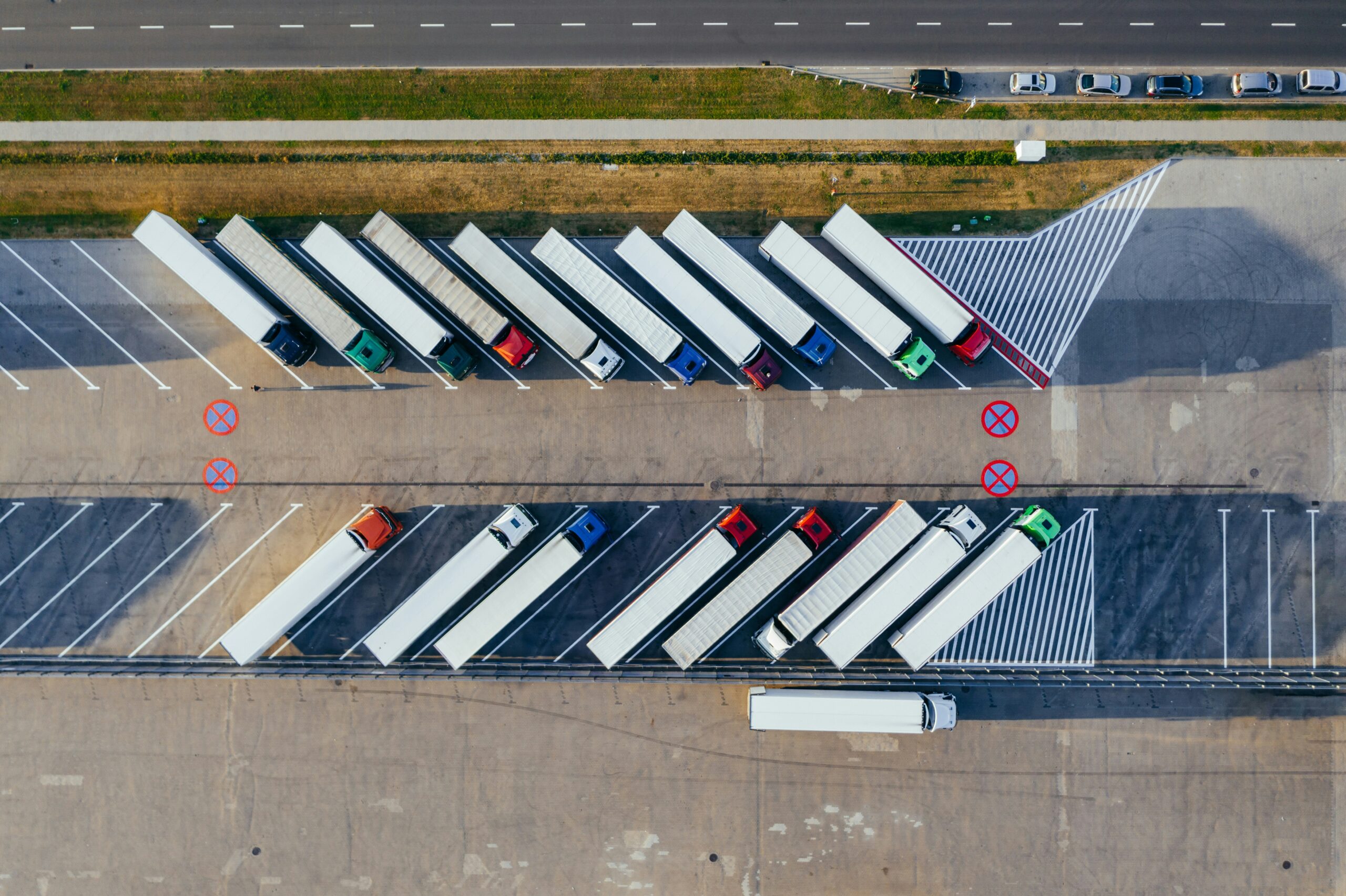
During the pandemic years, the trucking industry experienced something close to a gold rush. Between 2020 and early 2022, freight rates surged as global supply chains collapsed under pressure. Containers piled up at ports, warehouses ran short of inventory, and suddenly one idea spread across the industry: “If you have a truck, you can make … Read more

Why Shipping Companies Sell Profitable Ships: The Hidden Strategy Behind Jinhui’s Ultramax Sale

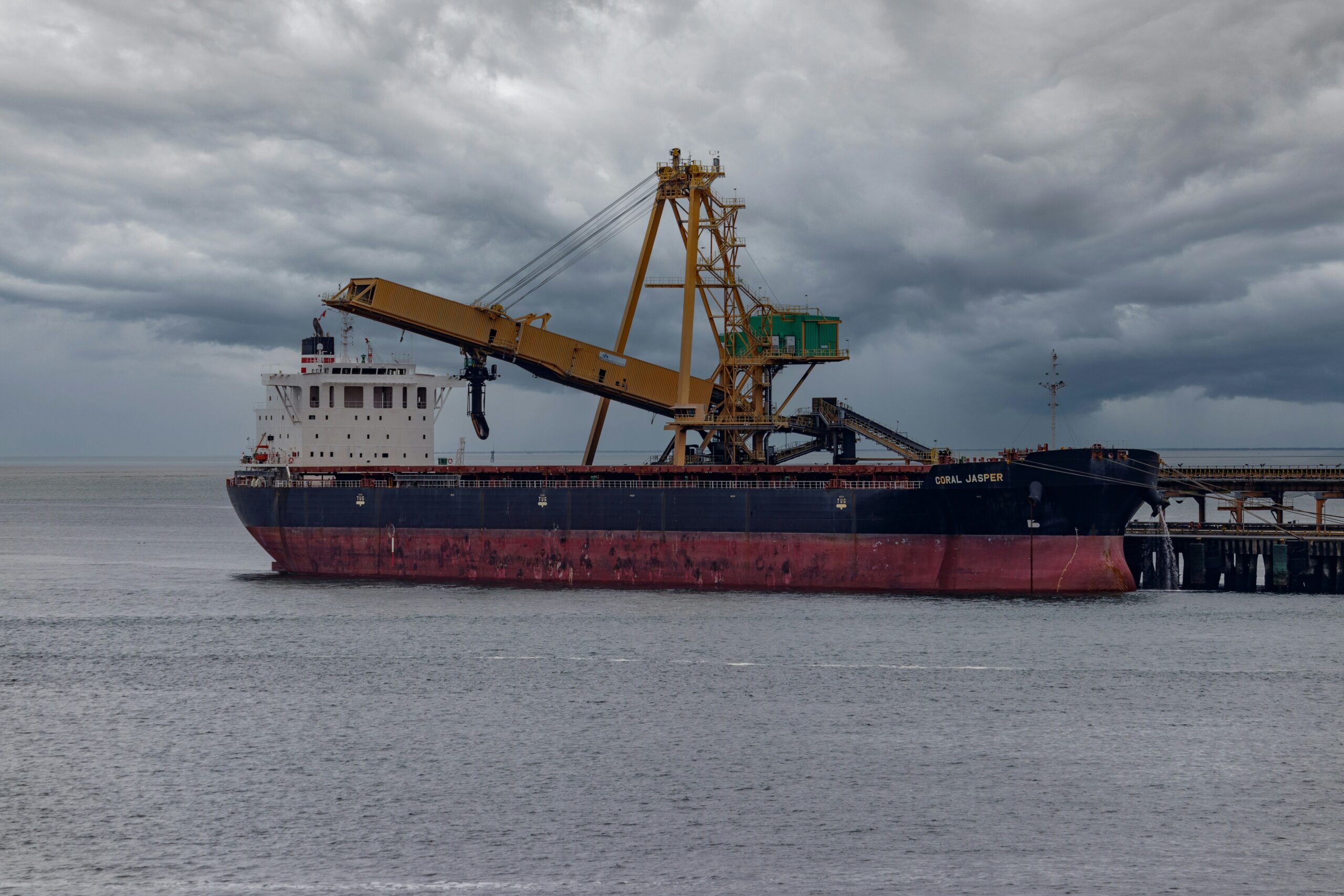
A Simple Ship Sale That Reveals a Larger Industry Strategy At first glance, the sale of a bulk carrier rarely attracts attention outside maritime circles. Ships are bought and sold constantly in the second-hand market, and most transactions look routine. But occasionally, a seemingly ordinary deal reveals something larger about how the shipping industry actually … Read more

Why South Korea Is Structurally Vulnerable to a Strait of Hormuz Disruption

why south korea is vulnerable to strait of hormuz disruption

When a Narrow Waterway Shapes the Global Economy The modern global economy often looks resilient on the surface. Goods move across continents, energy flows through complex networks, and supply chains appear diversified. But beneath that complexity lies a fragile reality: much of global trade depends on a small number of maritime chokepoints. Among them, the … Read more

Strait of Hormuz Crisis: How Geopolitics at Sea Is Reshaping Global Supply Chains

Why a Narrow Waterway Is One of the Most Powerful Forces in the Global Economy The global economy often behaves like a living organism. Trade routes function as its arteries, moving energy, raw materials, and manufactured goods across continents. Among those arteries, few are as vital—or as vulnerable—as the Strait of Hormuz. When geopolitical tensions … Read more

Jin Hui Shipping sells Ultramax bulker: what it means for dry bulk market

Jin Hui Shipping’s ultramax bulker sale isn’t just asset disposal—it’s a case study in how shipping companies reallocate capital and fleet composition when secondhand vessel prices collide with environmental regulation pressure. Selling Ships as Selling Time: What Jin Hui’s Fleet Restructuring Reveals Oslo-listed dry bulk operator Jin Hui Shipping agreed to sell its 2014-built ultramax … Read more