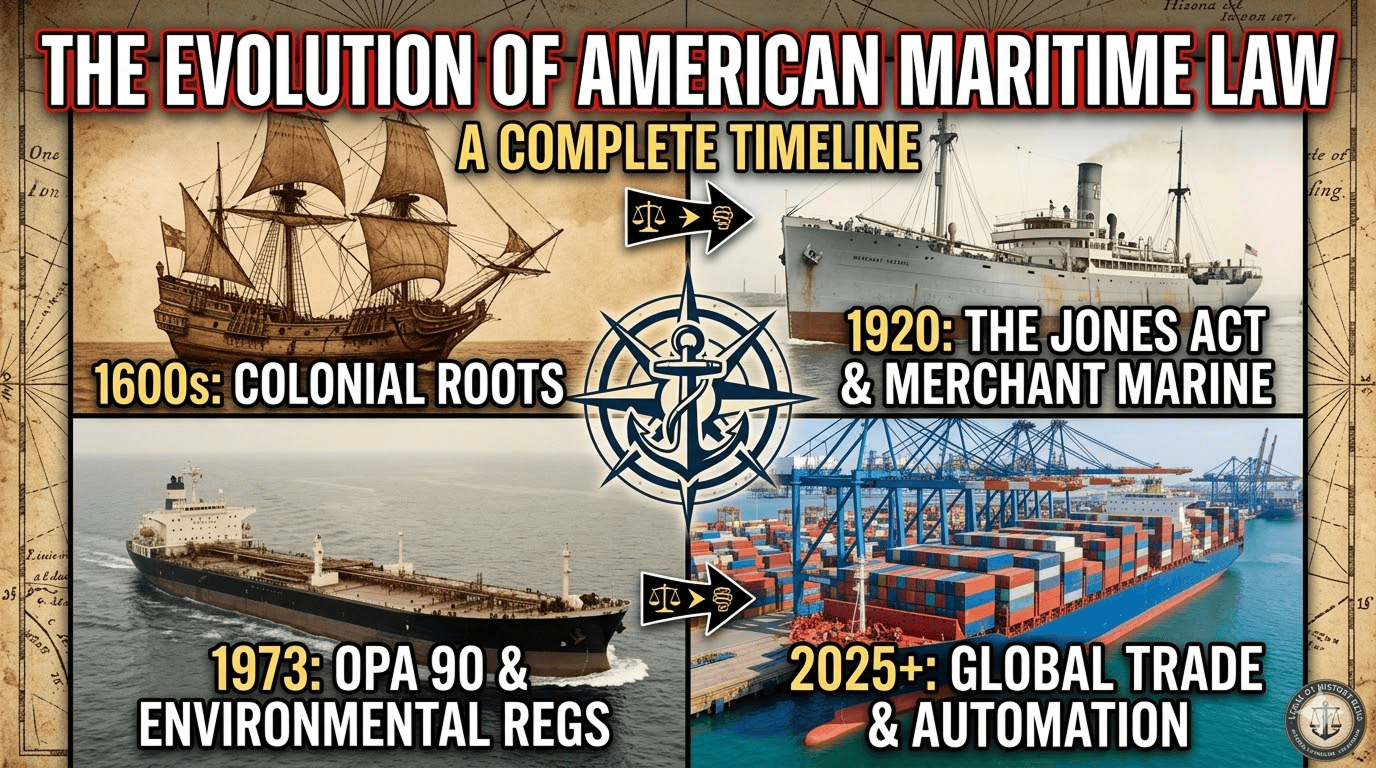
Jones Act history reveals how America’s coastal shipping rules grew from empire-era trade control, wartime fears, and energy crises that still shape debate today.
Jones Act History: 3 Surprising Stories Behind America’s Coastal Shipping Rules
Why does moving goods between two American ports carry such a long historical shadow? As recent headlines briefly mentioned the Jones Act again, the real story lies much deeper in Jones Act history—a tale of empire, war, shortages, and the old dream of controlling the sea.
Long Before the Jones Act, Empires Fought Over Coastal Trade
To understand Jones Act history, you have to sail back centuries before 1920. One of the biggest influences was the era of the Navigation Acts, when England tried to make sure trade inside its empire moved in ships it could control. This was not just about cargo. It was about power, taxes, sailors, and national security.
That idea later blended with the wider logic of mercantilism: a nation grew stronger when it kept trade routes, ships, and wealth under its own flag. In that world, shipping laws were never merely boring regulations. They were strategic weapons.
The 1920 Law Was About More Than Commerce
The modern centerpiece of Jones Act history is the Merchant Marine Act of 1920. Its coastal shipping rule—often discussed through the idea of cabotage—required that cargo moved between U.S. ports travel on ships that were U.S.-built, U.S.-owned, and largely U.S.-crewed.
That sounds technical, but its roots were dramatic. After World War I, leaders feared the country could not depend on foreign shipping in a crisis. So the law aimed to preserve a domestic merchant fleet that could serve both trade and defense. In other words, Jones Act history is really a story about what nations do when they worry the next emergency is already on the horizon.
An Unexpected Twist: Energy Crises Changed the Conversation
One lesser-known chapter in Jones Act history appeared during modern supply shocks. The 1973 oil crisis reminded governments that shipping rules could suddenly become part of a much bigger energy puzzle. When fuel became scarce and prices surged, old laws once written for security were viewed through a new lens: flexibility in emergencies.
That is what makes this history so fascinating. A law designed in one age for wartime readiness keeps resurfacing in totally different moments—storms, shortages, and energy disruptions. The details change, but the tension remains the same.
Why This History Still Matters
The real lesson of Jones Act history is that coastal shipping has never been just about ships. It connects empire-era trade control, 20th-century military planning, and modern debates over supply resilience. What looks like a narrow maritime rule is actually one of the oldest political questions in history: who gets to move goods within a nation, and why?
That is why Jones Act history continues to feel alive. Beneath every modern mention of it is a much older story—one that began with empires, hardened in war, and still echoes whenever the sea becomes part of a national emergency.